E-commerce · 5 min · Updated
E-commerce SEO: how to write product pages that rank and sell
How to write e-commerce product pages that rank and sell: titles, original descriptions, specs, photos, FAQs, genuine reviews, variants and internal links.
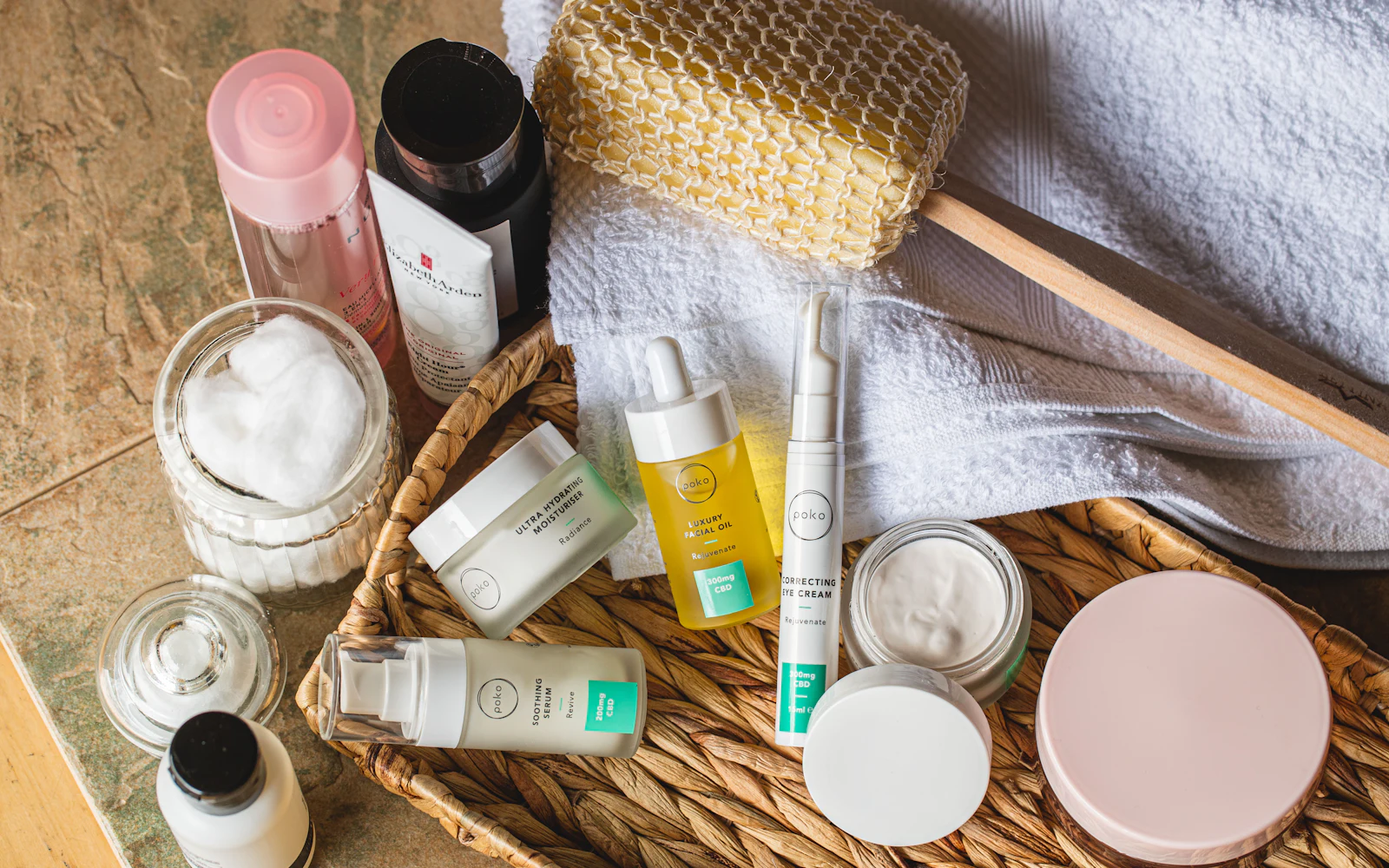
A product page that ranks and sells answers the questions a shopper has before they buy, in the words they search with. Give every product a clear title that names the item and its key detail, write your own description instead of the manufacturer's, list the specifications in a scannable table, show real photos with descriptive alt text, answer common questions on the page, show genuine reviews, and link the product to its category and related items. Search engines reward the same things buyers do: useful, original and complete pages. Nothing guarantees a ranking, but thin or copied pages rarely rank at all.
Start with what people actually search
Before you write, check how customers describe the product. People rarely search for a model code; they search for the thing and the detail that matters to them, such as "waterproof walking boots women" or "oak dining table 6 seater". Look at Google's suggestions, the "People also ask" box and the queries in Google Search Console, and note the words customers use in emails and returns. Pick one main phrase per product and use it naturally in the title, the first sentence and the image alt text. Do not repeat it in every paragraph.
The parts of a strong product page
- Title (H1) and SEO title: product type plus the detail that sets it apart, for example "Linen Duvet Cover, Double, Stone Washed". Keep the SEO title to about 60 characters.
- Opening paragraph: two or three sentences on who it is for and the main benefit. This is also the text search engines and AI assistants are most likely to quote.
- Original description: materials, sizes, how it is made, how to use or care for it. If you copy the supplier's text, your page says the same as every other shop selling it.
- Specifications: a short table with dimensions, weight, materials, compatibility and what is in the box. Shoppers scan it, and it answers detailed searches.
- Photos: several angles, the product in use, and a scale shot. Compress images for speed and describe each one in the alt text in plain words.
- Delivery, returns and stock: costs, times and the returns window near the Add to basket button. Surprises here cause abandoned baskets.
- Questions and answers: three to five real questions from customers, answered on the page.
- Reviews: genuine customer reviews only. Never write your own or pay for fake ones; it is unlawful in the UK and many other markets, and it destroys trust.
Variants, duplicates and thin pages
Sizes and colours of the same product usually belong on one page with options, not on separate pages with near-identical text. If you do need separate URLs, for example because each colour is searched for on its own, give each one its own photos and description and set a canonical tag on the others. Avoid publishing dozens of products with a single line of text: a smaller catalogue of complete pages usually performs better than a large catalogue of empty ones.
Structured data
Product schema tells search engines the price, currency, availability and review rating, and can make your page eligible for richer search results. Most platforms add basic schema, but check a few pages in Google's Rich Results Test and fill the gaps with details you really have, such as brand, GTIN or SKU. Keep price and stock in the schema in sync with the page.
Internal links
Every product should be reachable from its category page in a few clicks, and should link back to that category and to two or three related or complementary products. Breadcrumbs help both shoppers and search engines understand where the product sits. Buying guides and blog posts can link to your best products with descriptive anchor text.
Measure and improve
In Search Console, look for product pages with many impressions but few clicks: a better title and description often fixes that. In your analytics, find pages with traffic but few sales, and check photos, delivery information and price clarity first. Improve your best sellers before you write new pages.
How Penta helps
- Penta's E-commerce package is built on Shopify, WooCommerce or a custom platform, for up to 250 products, with product, category and schema SEO set up at launch. It costs £159 setup and £49 a month, including 10 hours of store changes a month for products, banners and promotions.
- For an existing store, the SEO plan at £79 a month includes technical SEO monitoring and fixes, four optimised pages a month, keyword and competitor tracking, and a monthly report and review call.
- Ready Sites for online stores, such as the Arabic and French store designs, come with product page layouts already built for search.
Nobody can honestly guarantee rankings. If you want to know which product pages to fix first, ask us for a free website audit.
What this costs with Penta
No large upfront fee. Hosting, SSL, support and monthly changes are included.
Business Website
Up to 10 pages, CMS, forms, basic SEO, hosting and 5 hours of edits a month.
- Hosting, SSL & business email included
- Free .com, .net or .org domain (yearly)
- 2 months free (yearly)
Corporate Website
Up to 25 pages, custom UX, 2 languages, integrations and 10 hours of edits a month.
- Hosting, SSL & business email included
- Free .com, .net or .org domain (yearly)
- 2 months free (yearly)
E-commerce Store
Up to 250 products, payments, shipping rules, customer accounts and commerce SEO.
- Hosting, SSL & business email included
- Free .com, .net or .org domain (yearly)
- 2 months free (yearly)
Want this done for your business?
Talk to a project lead. You will get a clear plan and a fixed quote within one business day.


